
Mold help · Torrance, CA
Mold Removal in Torrance, CA
Found mold after a leak? A patch smaller than about 10 square feet is often something you can clean yourself, per the EPA. Bigger growth, mold inside walls, or mold after dirty water calls for a pro who seals off the area, removes what can’t be cleaned and fixes the moisture first. Call (424) 300-7170 to reach a licensed local provider, day or night.
Last checked: November 5, 2026
Quick facts
Pro or DIY
Do You Need a Pro for Mold After a Leak?
It depends on size, location and what the water was. The EPA says a moldy area under about 10 square feet, roughly a 3 by 3 foot patch, is usually fine to handle yourself. A California health department fact sheet, hosted by LA County Public Health, calls anything over 100 square feet a large area and advises using an experienced professional.
Size isn’t the only test. Call a pro when:
That last point matters most. The EPA says wet areas should be dried within 24 to 48 hours to prevent mold, so if that window passed, assume there’s growth you can’t see yet.
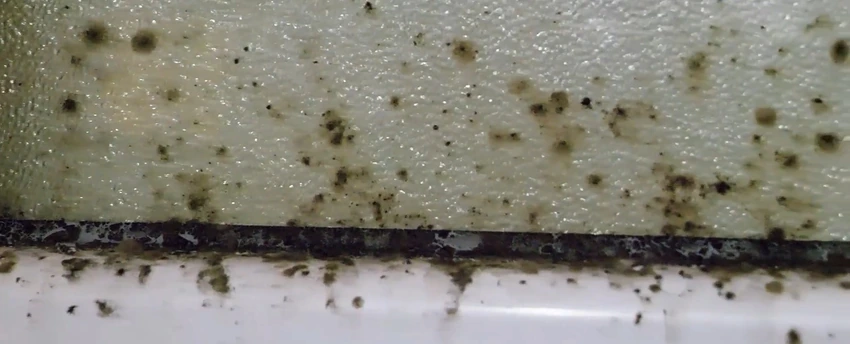
Where it hides
Where Mold Hides in Torrance Homes
Mold follows the water, so start where the leak was and look behind and under it.
Under sinks and behind toilets
Slow drips from supply lines soak the cabinet floor and the drywall behind it. Check the back panel with a flashlight.
Behind baseboards and drywall
The EPA lists the back side of drywall as a common spot for hidden mold. Paint that bubbles, or a wall that feels soft near the floor, is a clue.
Under flooring on a slab
In a slab home, water that runs under laminate, vinyl or carpet pad has nowhere to drain. It stays trapped against the concrete, so the floor can look fine while the pad underneath grows mold.
Shared condo walls
A leak in the unit next door or upstairs can wet your side of the wall for days before you notice. Tell the neighbor and the HOA in writing, since the source may be on their side.
Bathrooms with weak fans
Showers in older homes often have small fans or none. Steam plus a slow leak behind the tile is a common mix, and grout or caulk that keeps turning black is a sign.
Closets on cool outside walls
Near the coast, the marine layer keeps air damp in parts of West Torrance, Hollywood Riviera and Walteria. Closets on outside walls stay cool and get little airflow, so a small leak there dries slowly.
How it works
How Mold Remediation Works, Step by Step
Most professional jobs follow the same basic order, though the details depend on what the crew finds.
Find and fix the moisture
Nothing else works until the leak stops. The state fact sheet says cleanup should start after the moisture source is fixed and extra water is removed. Expect moisture meter readings to map how far the water went.
Seal off the work area
The crew hangs plastic sheeting over doorways and vents and usually turns off the heating and air system. Many set up negative air, a fan with a HEPA filter that pulls air out of the work area, so spores don’t drift into the rest of the house.
Remove porous materials
Drywall, carpet, pad, insulation and ceiling tiles that have grown mold usually come out. The EPA notes these materials may have to be thrown away, because mold grows into the gaps and can’t always be cleaned out. Debris gets bagged inside the sealed area.
Clean what stays
Studs, subfloor and other hard surfaces are scrubbed and then vacuumed with HEPA vacuums.
Dry everything
Dehumidifiers and air movers run until meter readings show the framing and subfloor are dry. Closing the wall too early is how mold comes back. Our page on how the drying process works covers this part in more detail.
Check before closing up
A visual check, moisture readings and sometimes a surface or air test by a separate inspector confirm the area is clean. After that, drywall, flooring and paint go back in. Our mold testing page explains when a clearance test is worth paying for.
Cost
Mold Removal in Torrance: Typical Costs
No official source tracks Torrance prices, so the figures below are national, from HomeAdvisor, based on project costs its members reported (data updated April 2024). Local quotes can land above or below them, so treat these as a starting point.
| Area or job | Typical national range |
|---|---|
| Most remediation jobs | $1,223 to $3,751 (average about $2,365) |
| Per square foot | $10 to $25 |
| Bathroom | $500 to $1,000 |
| Crawl space | $500 to $2,000 |
| Attic | $1,000 to $4,000 |
| Heating and air system | $3,000 to $10,000 |
| Whole house | $10,000 to $30,000 |
The price moves with how much material comes out and how hard it is to reach. Rebuilding is often billed on top. If the mold came from a recent leak, our water damage cost guide shows how drying and repair costs add up.
Health and safety
Is It Safe to Stay Home During Mold Cleanup?
For a small, sealed off job, many families stay home. Some people shouldn’t. The CDC says people with asthma, COPD or a weak immune system should not stay in a moldy home or even be there while it’s being cleaned. The state fact sheet adds infants and older adults to the higher risk group and lists symptoms like wheezing, a stuffy nose and eye irritation.
If you’re cleaning a small spot yourself, the CDC says to wear at least an N95 respirator, gloves and goggles. If you use bleach on a hard surface, use no more than 1 cup per gallon of water, and never mix it with ammonia or other cleaners. The EPA adds one more rule: don’t paint or caulk over mold, since the paint will likely peel and the mold stays put.
Skip these shortcuts
Before you hire
Questions to Ask Before You Hire a Mold Company
A few direct questions sort out careful companies from careless ones. Ask them before anyone starts cutting.
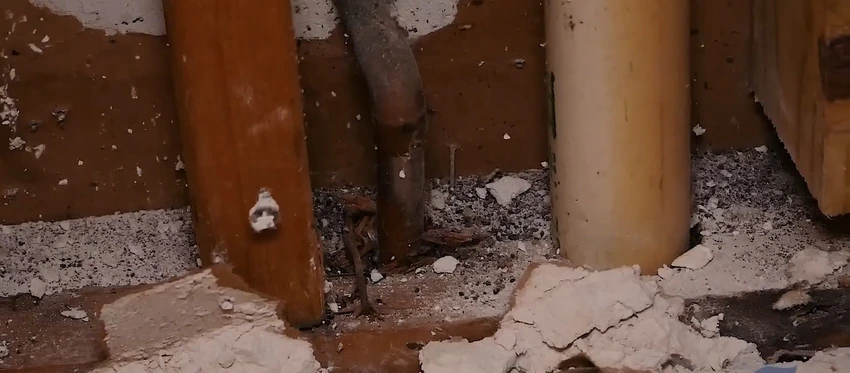
Renters
Renting? What California Law Says About Mold
Visible mold can make a California rental substandard. Health and Safety Code 17920.3, as amended in 2015, lists visible mold growth, as determined by a health officer or code enforcement officer, as a condition that can make housing substandard. Minor mold on surfaces that normally collect moisture, like a shower edge, is excluded. The same law says the landlord’s duty starts once they have notice, so put your report in writing with photos and dates.
Landlords also have to give new tenants the state’s CDPH mold booklet before a lease is signed. If the owner doesn’t act, LA County Public Health takes complaints at (888) 700-9995 and says tenants should get a call within 7 business days to set up an inspection. The City of Torrance code enforcement unit is at (310) 618-5929. Your belongings fall under your own renters policy, not the landlord’s.
FAQ
Mold Removal Questions
Still not sure what to do?
Tell us what got wet and when it started. Calls are answered day and night, and it costs nothing to ask.
Water in Your Home Right Now?
Shut off the water, take your photos, and call. A local crew will ask a few questions, give you a time, and start drying once you approve the work.