
Mold inspection · Torrance, CA
Mold Testing in Torrance, CA
If you can see mold, you usually don’t need a test. You need it cleaned up and the moisture fixed. Testing earns its cost when you smell mold but can’t find it, or when a cleanup, a sale or a rental dispute needs written proof. Call (424) 300-7170 any time to reach a licensed local pro.
Last checked: November 5, 2026
Quick facts
Should you test
Do You Need Mold Testing in Torrance?
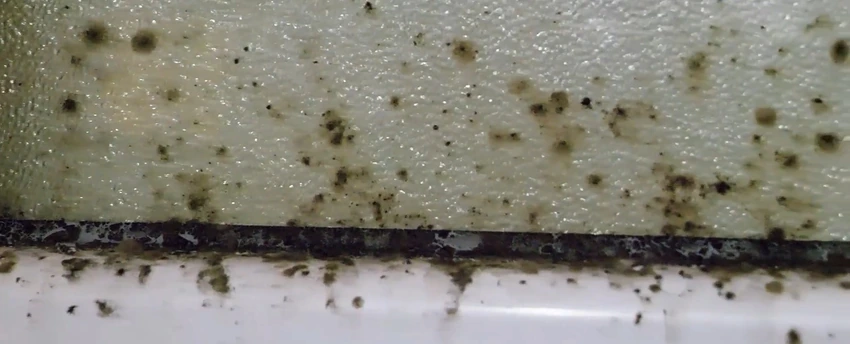
Most of the time, no. The EPA says that in most cases, if visible mold growth is present, sampling is unnecessary. The CDC goes further and says it does not recommend mold testing, because no matter what kind of mold is there, you need to remove it.
A lab number also has nothing to be measured against. The EPA has set no federal limits for mold spores, and the CDC says there’s no set standard for an acceptable amount in a home.
So if a patch is spreading behind the toilet, skip the test and put the money toward the leak and the cleanup. The EPA mold guide says a homeowner can usually clean an area smaller than about 10 square feet. Bigger than that, see our mold removal page.
When a test makes sense
Torrance homes
Why Hidden Mold Shows Up in Torrance Homes
Hidden moisture, not visible mold, is the usual reason to call an inspector here.
Older plumbing
About 74% of Torrance homes were built between 1950 and 1979, per SCAG housing data. Pipes and water heaters that old can drip for months inside a wall before anyone sees a stain.
Damp coastal air
The marine layer usually sits over the coast in May and June and can last into August, per the Los Angeles Almanac. Homes in West Torrance and Hollywood Riviera stay damp longer on gray days.
Slab floors
On a concrete slab, water from a hidden pipe leak can spread under flooring and carpet pad with no sign on top. A musty smell near a baseboard is often the first clue.
Shared walls
In condos and townhomes, a leak in the unit next door can wet your wall from the other side. Testing can help show where the moisture started when the HOA gets involved.
What happens
What a Mold Inspection Looks Like
A good inspection is mostly about finding moisture, with samples used to answer a specific question.
Questions and history
The inspector asks about past leaks and repairs. Mention every water event you know of, even old ones.
Visual check
They check the spots mold likes, such as under sinks, behind the washer, the water heater closet and window frames.
Moisture mapping
A moisture meter shows how wet the drywall or wood is. Readings taken in a grid show how far the water spread.
Thermal camera
A thermal camera shows cool spots on walls and ceilings, which can point to damp material. It cannot see mold, so a cool spot still needs a meter reading to confirm it.
Air and surface samples
Air samples pull a set amount of air through a cassette. An outdoor sample should be taken at the same time to compare, as a state fact sheet posted by LA County Public Health explains. Tape or swab samples lift growth off a surface to identify it.
Lab report and next steps
Samples go to a lab, and the report lists the mold types and amounts found. The inspector should explain it in plain words and name the moisture source.
Cost
What Mold Inspection and Testing Cost
These are national figures from HomeAdvisor. No official source tracks Torrance prices, and South Bay labor often runs higher, so treat them as a starting point.
| Type of test | Typical national cost |
|---|---|
| Full mold inspection (typical range) | $302 to $1,044, average $670 |
| Inspection, home under 4,000 sq ft | $250 to $400 |
| Inspection, home 4,000 sq ft or more | $700 to $1,100 |
| On-site air or surface sampling | $100 to $250 |
| Air sample, lab fee | about $150 each |
| Tape, swab or carpet sample, lab fee | about $50 each |
| HVAC test | $50 to $80 |
Lab fees add up fast when several air samples are taken, so ask for the total in writing first. Our cost guide covers what the cleanup itself tends to cost.
Who to hire
Independent Inspector or the Cleanup Company?
If you can, hire an inspector who does not do mold cleanup. A company that tests and then quotes the removal has a reason to find a problem, and a reason to make it sound big. An independent inspector gets paid the same either way.
This matters most for clearance testing. After a cleanup, a second test inside the work area checks that the mold is gone before walls are closed up. The EPA says surface sampling can help show whether an area was cleaned well enough. If the company that did the removal also runs that test, it is grading its own work.
The EPA also says sampling should be done by people with real experience reading results. A free inspection that ends in a big removal quote isn’t that. Our FAQ covers more mold questions after a leak.
Before you book
Questions to Ask a Mold Inspector
Ask these before anyone takes a sample.
Rentals and sales
Mold Testing for Renters, Landlords and Home Sales
For renters, a test is often not needed to get a repair. Under Health and Safety Code 17920.3, visible mold growth, as determined by a health officer or code enforcement officer, can make a rental substandard. Minor mold on surfaces that get wet in normal use, like a shower, is excluded. If the landlord won’t act, LA County Public Health takes complaints at (888) 700-9995 and says tenants should get a call within 7 business days to set up an inspection.
Landlords can use a test after a repair to show the unit is clear, which helps if a tenant later questions the work.
In a Torrance home sale, buyers often order a mold inspection during escrow when the home inspection finds water stains, a musty crawl space or signs of an old leak. A general home inspection usually looks for signs of moisture but doesn’t include lab samples. Sellers who already know about past water damage should ask their agent what has to be disclosed.
Our resources page lists the official sources used on this page.
FAQ
Mold Testing Questions
Still not sure what to do?
Tell us what got wet and when it started. Calls are answered day and night, and it costs nothing to ask.
Water in Your Home Right Now?
Shut off the water, take your photos, and call. A local crew will ask a few questions, give you a time, and start drying once you approve the work.